
How aluminium is made: A step-by-step guide for beginners?
Primary aluminum production relies on a two-part electrochemical process: the Bayer process to refine bauxite into alumina and the Hall-Héroult process to smelt metal. Bauxite ore typically contains 30% to 50% aluminum oxide. The smelting phase utilizes 13–15 kWh of electricity per kilogram of aluminum. Since the invention of this electrolytic method in 1886, industrial efficiency has climbed to 95% current effectiveness. Understanding how aluminium is made requires analyzing this energy-heavy electrolytic reduction, which transforms solid alumina powder into liquid aluminum within a 950°C cryolite bath.
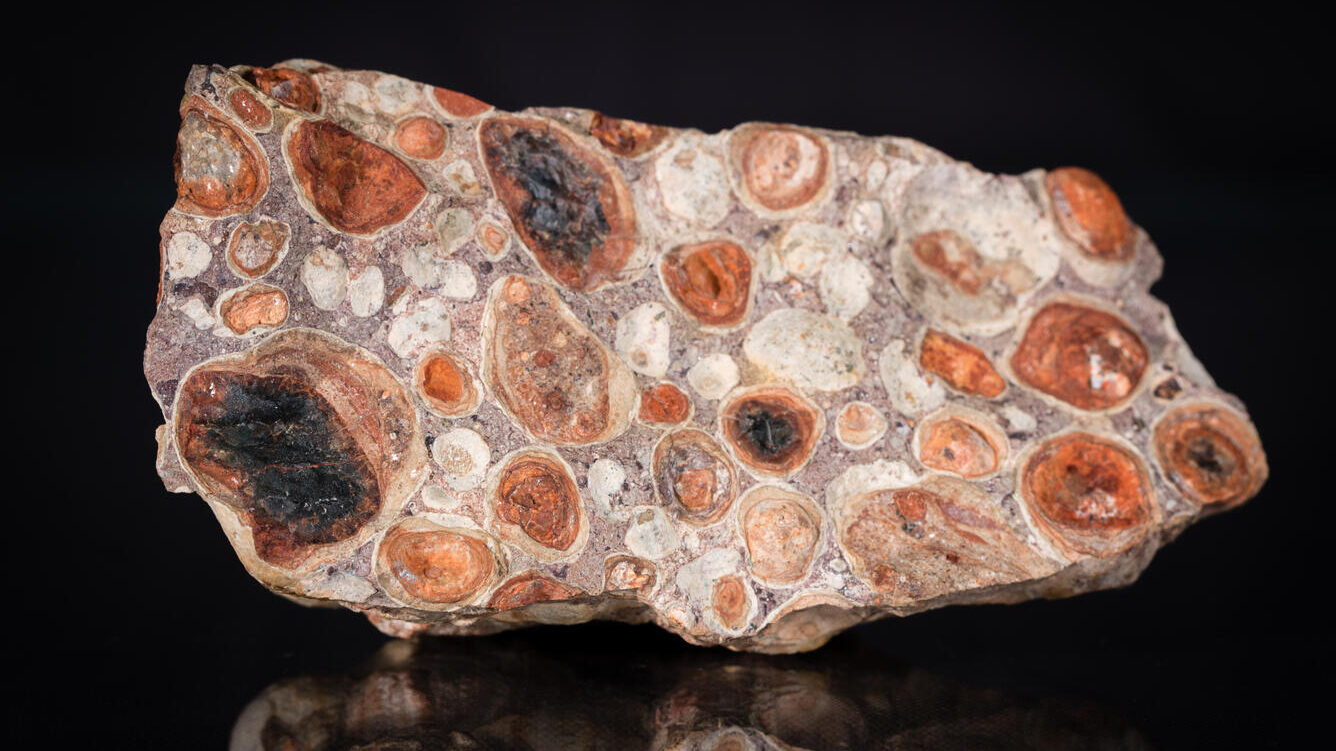
Mining operations begin with open-pit extraction of bauxite, a mineral mixture containing gibbsite, boehmite, and diaspore. Global industrial output reached 390 million metric tons in 2024 to support manufacturing demand.
The extracted ore moves to grinding facilities where heavy machinery crushes the rock into a fine powder. Increasing surface area ensures that chemical reagents permeate the material during the digestion stage.
The digestion process submerges crushed ore in a sodium hydroxide solution at temperatures between 140°C and 250°C. Data from 2023 shows that 98% of gibbsite minerals dissolve under these pressurized conditions to form a sodium aluminate liquor.
Filtration units remove the insoluble remnants from the liquor. The waste material, known as red mud, consists of iron oxides, silica, and other earth minerals. Facilities pump this residue into secure, lined impoundment basins to protect groundwater.
The clarified sodium aluminate liquor enters the precipitation phase. Manufacturers introduce aluminum hydroxide seed crystals to stimulate the formation of larger solid particles. This crystallization phase spans 24 to 48 hours to maximize the yield of alumina hydrate.
Calcination occurs in rotary kilns or fluid-bed calciners heated above 1000°C. This thermal cycle reduces moisture content, resulting in anhydrous alumina, a stable white powder suitable for high-energy smelting.
The Hall-Héroult process transforms alumina into metallic aluminum using electricity and molten salt. Smelters operate electrolytic pots lined with baked carbon blocks, which serve as the cathode for the circuit.
The bath primarily consists of molten cryolite ($Na_3AlF_6$) kept at approximately 950°C. This liquid medium lowers the alumina melting point, enabling ionic conduction at industrial scales.
| Process Metric | Operational Value |
| Cell Voltage | 4.0 – 4.5 V |
| Current Density | 8,000 – 12,000 A/m² |
| Electrolyte Temp | 940°C – 960°C |
High electrical current pushes aluminum ions toward the carbon lining, where the metal accumulates as a liquid. Smelter cells utilize direct currents ranging from 300,000 to 500,000 amperes.
A study of 2025 production logs indicates that maintaining 93% current efficiency prevents thermal instability within the potline. Oxygen released from the alumina reacts with the carbon anodes to form carbon dioxide gas.
Oxidation causes the gradual consumption of the anode blocks. Replacement occurs every 20 to 30 days to maintain performance levels. Vacuum siphons extract the accumulated liquid aluminum from the base of the cell to holding furnaces.
Technicians bubble argon or nitrogen gas through the molten metal to eliminate dissolved hydrogen. This purification step ensures the metal meets strict quality requirements for structural applications.
Manufacturers add materials like magnesium, manganese, or silicon to the melt to reach specific mechanical properties. Additions represent 1% to 5% of the total mass, tailoring the aluminum for use in transportation or construction.
Casting machines pour the alloyed liquid into direct-chill molds to form ingots, billets, or slabs. Cooling rates are monitored at 50 to 100 millimeters per minute to prevent structural defects in the metal matrix.
Secondary production via scrap recycling uses 95% less energy than primary electrolytic smelting. As of 2024, the industry reports a 75% recovery rate for aluminum products, highlighting the circular efficiency of the material.
Testing indicates that inert anodes release oxygen rather than CO2, potentially reducing smelter emissions by 90%. This technological shift assists manufacturers in lowering the environmental footprint of primary production.
Facilities powered by hydroelectric or nuclear energy maintain lower carbon intensities than coal-reliant sites. Data shows that renewable-powered plants emit 4 tonnes of CO2 per tonne of metal produced.
The combination of efficient electrolytic reduction and high scrap collection rates keeps the aluminum industry within a closed-loop system. Constant monitoring of energy metrics ensures consistent quality across the global supply chain.
Track how AI is rewriting the $4T auto industry.
Independent research, OEM teardowns, and proprietary data delivered every Thursday to 218,000+ automotive decision-makers.
Subscribe to the Weekly Briefing